> ## Documentation Index
> Fetch the complete documentation index at: https://yumeyuka.moe/llms.txt
> Use this file to discover all available pages before exploring further.
# 给代码塞点新玩具
 ***每一次探索的起点,往往都是一个「为什么」***
## 前情提要
接下里的内容和上一篇文章有关联,其中有些内容已经提到过了
# 情景导入
由于某些原因,YumeBox 的 Core 起初并未独立实现,而是复用了 ClashMetaForAndroid 的 [Core JNI 实现](https://github.com/MetaCubeX/ClashMetaForAndroid/tree/main/core/src),秉持着能少造轮子就少写的原则,这一部分也就保留下来了
在逐步的迭代中发现,`JNI Bridge` 正常是有是没有太大问题的,而且 Mihome 也并未 Android 提供 `Go Mobile` 这样的实现,综合看起来 **ClashMetaForAndroid** 的 JNI 相当于是最佳实践
在桌面端和 Web 面板间的通信选择是另一种方式 [REST API](https://wiki.metacubex.one/api/)
## 计划
在 ClashMetaForAndroid 中 Core 部分的 JNI 占比并不小,同时存在 Cgo 和 C 以及手写的 JNI 这些内容,~~手写 JNI 还是太权威了~~ ,但是耦合太重,如果要增加一些新的 feature 时,就要同时改动 Cgo C JNI 和 kotlin 部分,太过繁琐
***每一次探索的起点,往往都是一个「为什么」***
## 前情提要
接下里的内容和上一篇文章有关联,其中有些内容已经提到过了
# 情景导入
由于某些原因,YumeBox 的 Core 起初并未独立实现,而是复用了 ClashMetaForAndroid 的 [Core JNI 实现](https://github.com/MetaCubeX/ClashMetaForAndroid/tree/main/core/src),秉持着能少造轮子就少写的原则,这一部分也就保留下来了
在逐步的迭代中发现,`JNI Bridge` 正常是有是没有太大问题的,而且 Mihome 也并未 Android 提供 `Go Mobile` 这样的实现,综合看起来 **ClashMetaForAndroid** 的 JNI 相当于是最佳实践
在桌面端和 Web 面板间的通信选择是另一种方式 [REST API](https://wiki.metacubex.one/api/)
## 计划
在 ClashMetaForAndroid 中 Core 部分的 JNI 占比并不小,同时存在 Cgo 和 C 以及手写的 JNI 这些内容,~~手写 JNI 还是太权威了~~ ,但是耦合太重,如果要增加一些新的 feature 时,就要同时改动 Cgo C JNI 和 kotlin 部分,太过繁琐
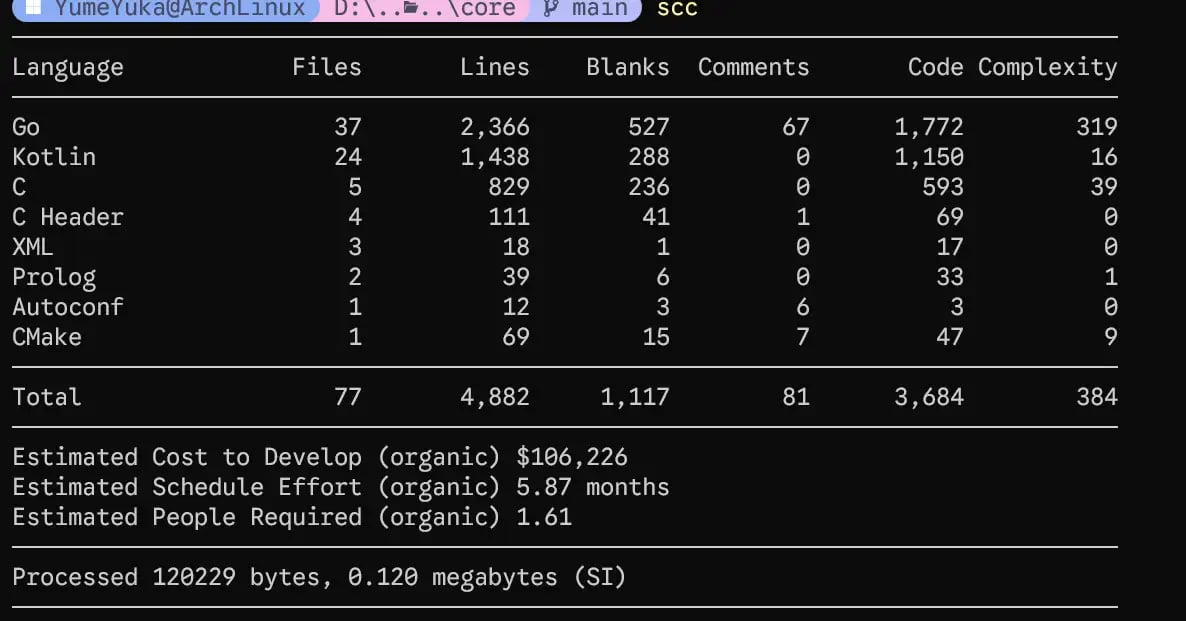 为什么不选择重写,而是使用 [REST API](https://wiki.metacubex.one/api/) 来通信,性能开销几乎忽略不计,并非性能密集操作,开销完全可以忽略,对于 内核部分,只需要把 Core 拉起来即可,剩下的交给 [REST API](https://wiki.metacubex.one/api/) 来处理,这看起来似乎是一个不错的选择